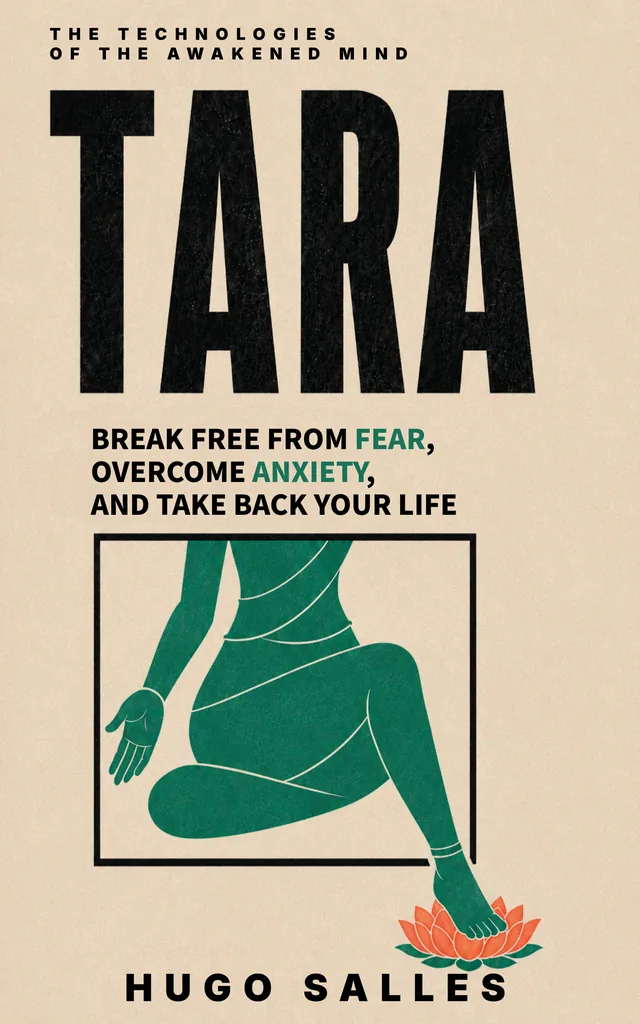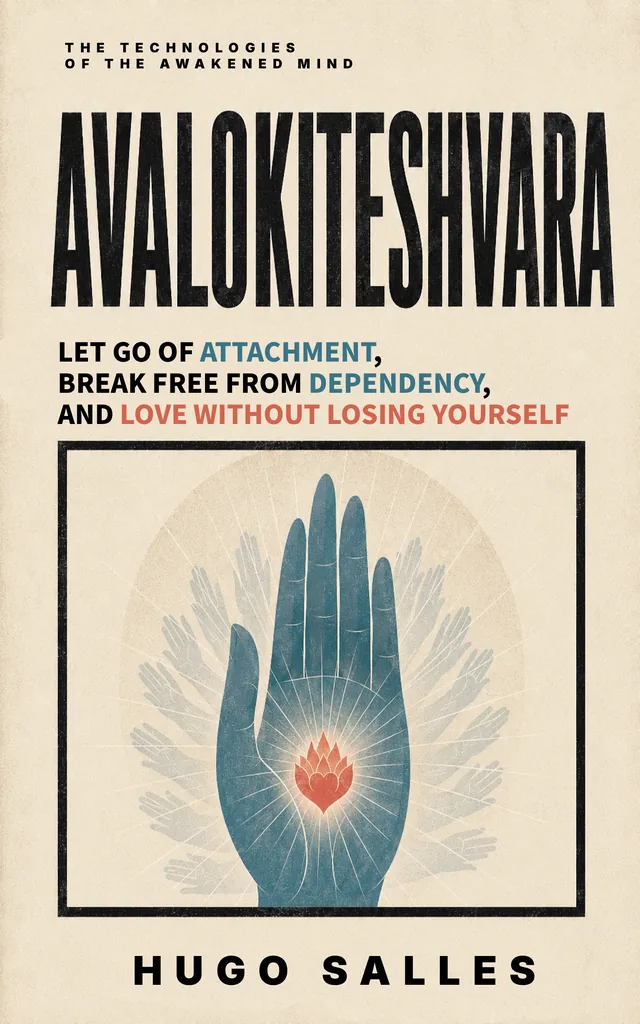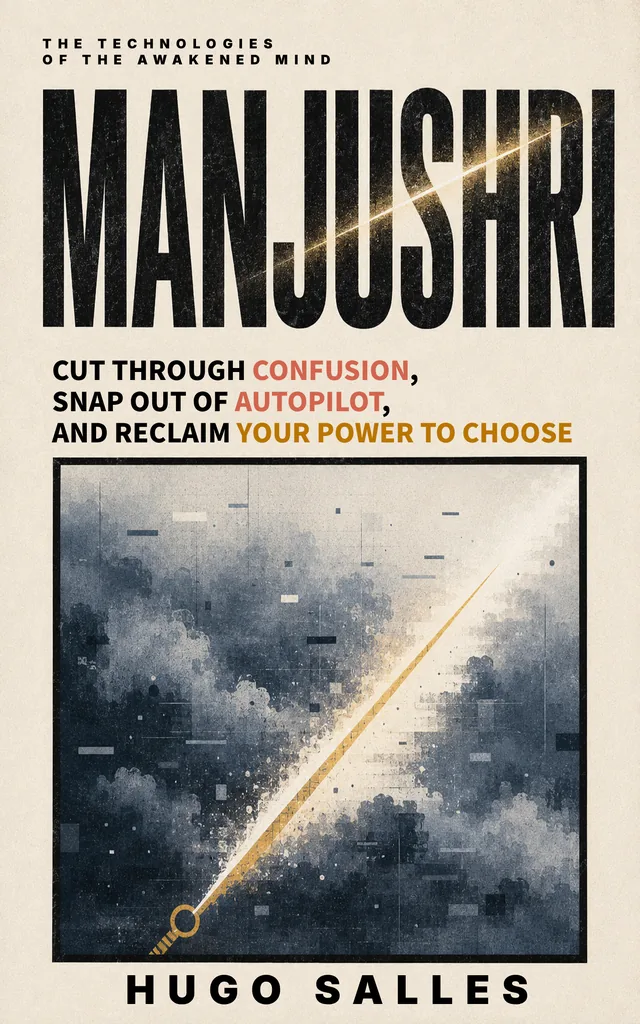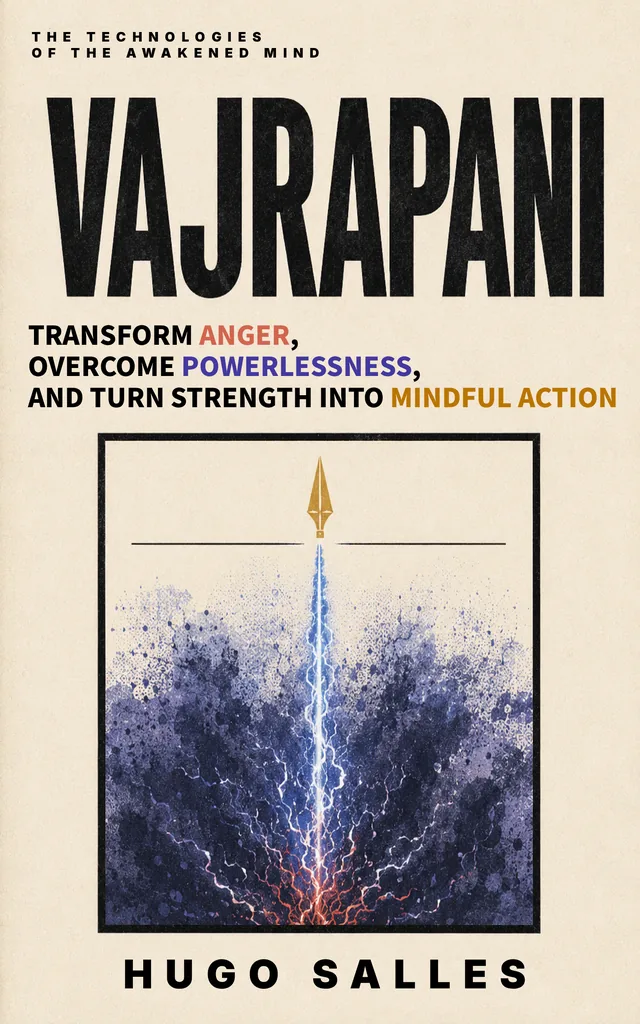
Book 4 · The Technologies of the Awakened Mind
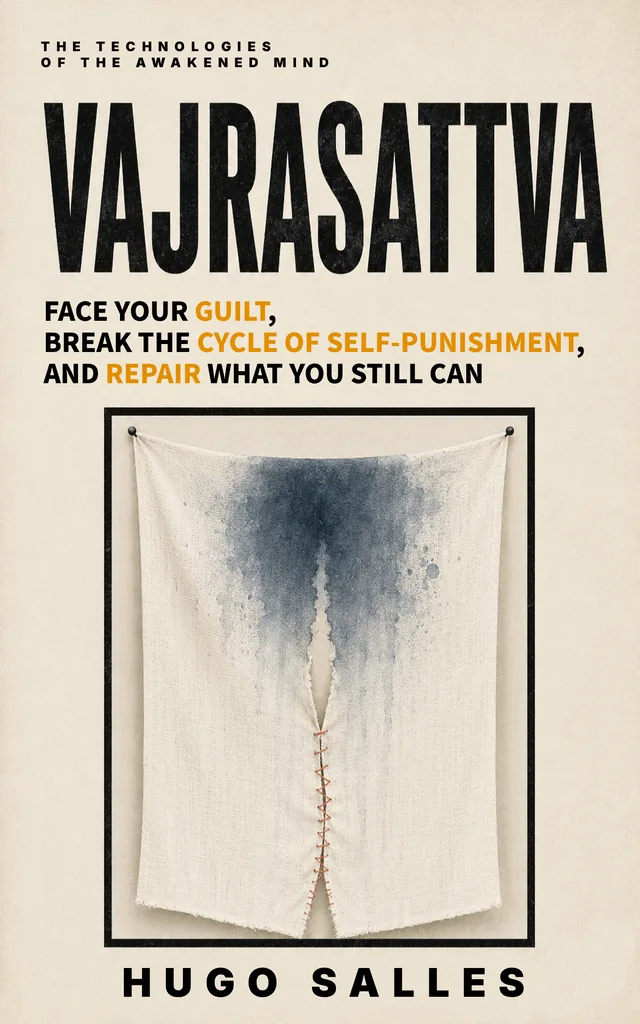
Vajrasattva
The crystal that purifies — the Tibetan method to free yourself from guilt without denying the mistake.
About the book
Guilt that never becomes repair or learning is dead weight. And most people carry that weight with no real method for setting it down.
A person carrying guilt is not looking for serenity: they are looking for a sentence. Deep down they want a courtroom, someone to confirm the verdict they already signed against themselves. That is why the two usual pieces of advice fail. "Forgive yourself" sounds like permission to escape. "Take responsibility" becomes one more turn of the same mill.
Vajrasattva proposes a third movement. The figure is white, serene, carrying no weapon — and it refuses the role of judge. It did not come to condemn, nor to absolve for free. It came to do something almost nobody has learned to do with their own past: to wash without erasing.
The book describes purification as a process, not magical absolution: naming the mistake with precision instead of vagueness, extracting what needs extracting, repairing what is still repairable, and moving on without carrying the rest. Each stage is described operationally, with what to do and what to avoid at each step.
It is one of the most directly practical volumes in the series, and the most useful for anyone who has been revisiting the same old scene for years with nothing changing — because the problem, almost always, is not a lack of remorse. It is a lack of method for closing.
Book details
Who this book is for
- Readers who revisit the same mistake for years without ever closing it
- Anyone who confuses self-criticism with responsibility
- Readers who forgive themselves too fast and repeat the same pattern
- Anyone who needs to repair something and doesn't know where to start
- Readers carrying guilt for something that can no longer be undone
What you will find inside
- Why self-punishment repairs nothing — and what it substitutes for
- The four stages of the purification process, described step by step
- How to state a mistake precisely instead of generally
- What to do when repair is no longer possible
- The difference between closing and forgetting
Frequently asked questions
Does the book teach you to shed guilt without taking responsibility?
No. The starting point is the opposite: naming the mistake precisely. What the book refuses is the self-punishment that burns energy while repairing nothing.
Does it help with old guilt, over things that can no longer be fixed?
Yes. There is a chapter devoted to exactly that — what to do when direct repair is no longer available.
Do I need to have read the other volumes?
No. Each book in the series stands alone and addresses a specific mental pattern.
Is it on Kindle Unlimited?
Yes, and also available for individual purchase on Amazon US and Amazon Brazil.
Start reading today
Available in English and Portuguese, on Amazon and Kindle Unlimited.